Main
Igor Krasnov held a meeting with the Chairpersons of federal courts
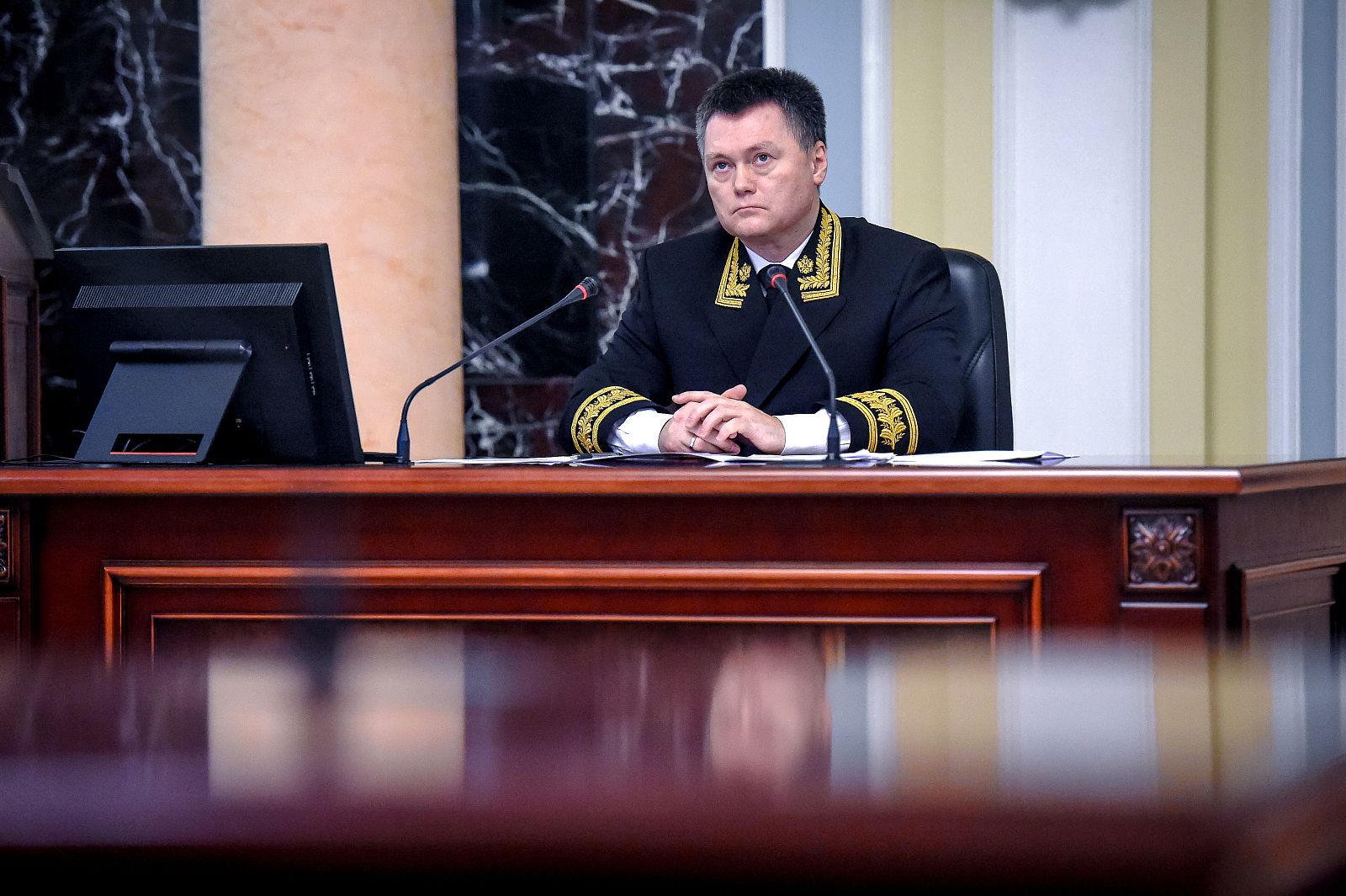
Chief Justice of the Supreme Court of the Russian Federation, Igor Krasnov, held a meeting with the Chairpersons of federal courts via videoconference. Opening the session, he noted that today the judiciary is facing a number of serious challenges that require prompt and effective responses. One of the most pressing issues, he emphasized, is the increasing workload on judges. “An analysis of the caseload of the courts has been conducted at my instruction, and it has revealed several regions that have been operating at maximum capacity for a number of years. In light of this, vacant judicial positions will be redistributed among courts within the staffing levels established by law,” stated the Chief Justice.
Particular attention was given to the issue of digital transformation of justice.
Mr. Krasnov pointed out that citizens often face difficulties in accessing necessary information or submitting documents remotely due to the user-unfriendly interface of federal court websites. “AI-based analytical platforms represent a promising direction for judicial development. We will actively introduce these systems into court operations, enabling us to more quickly identify inconsistencies in judicial practice and respond to them effectively,” he noted.
Among the key priorities identified by the Chief Justice was ensuring judicial independence and impartiality in adjudication. “A judge must remain faithful to the oath and not be influenced by governors, authorized representatives, or federal inspectors. Neither they, nor state corporations, nor representatives of the Judicial Department or the judiciary community, should exert influence on judicial decisions. Judges must rely solely on the law and the jurisprudence of the Supreme Court of Russia,” Igor Krasnov stressed.
He also called upon court Chairpersons not to limit themselves to administrative duties but to take an active part in the consideration of cases, combining managerial responsibilities with direct judicial work.
In conclusion, Chief Justice Krasnov emphasized that the Supreme Court will continue to work consistently to eliminate regional disparities in judicial practice, reinforce the principle of legal certainty, and ensure equal legal conditions for all parties to the proceedings.